 The National Ribat University
In a scholarly achievement that reflects the growing prominence of scientific research within Sudanese universities, a research paper titled "Employing Digital Identity to Enhance the Educational Process in Sudanese Universities: An Applied Study at National Ribat University and the University of West Kordofan" has been published in the 26th issue of an Arab peer-reviewed journal, indexed in the second quartile (Q2) of the Scopus database.
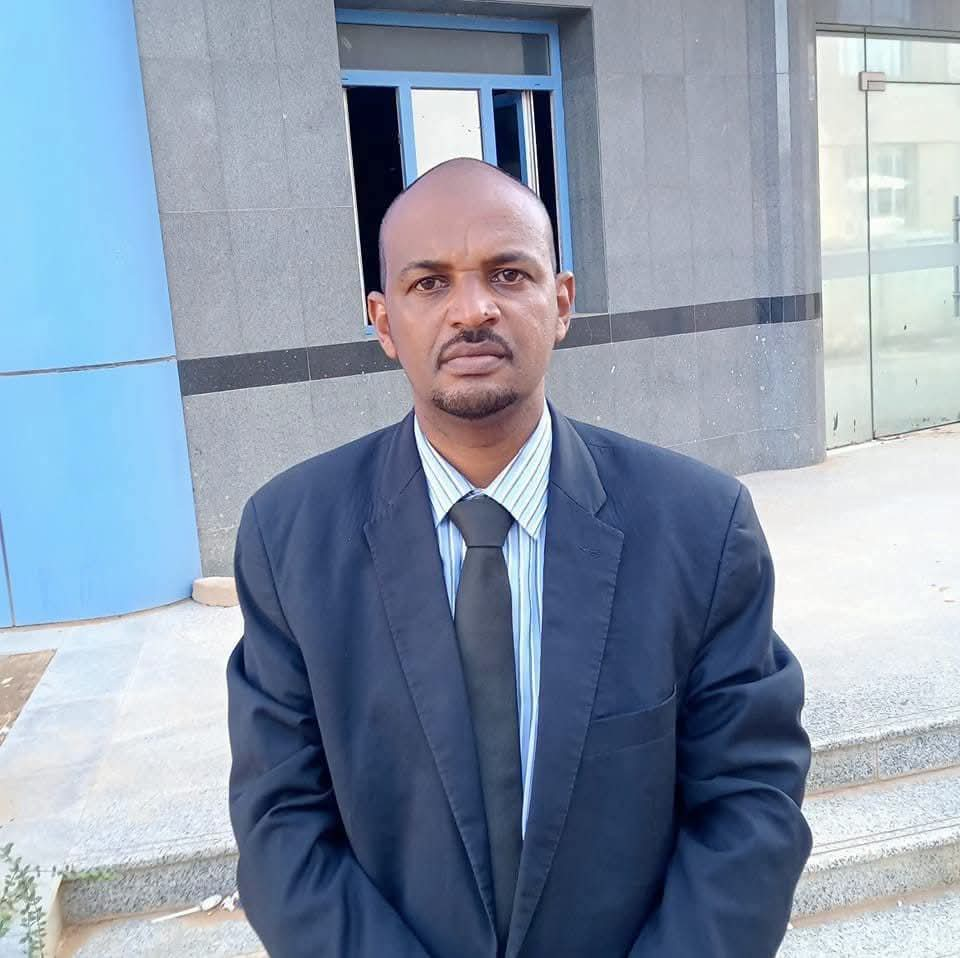
The study was co-authored by Dr. Khalid Ahmed Al-Haj Abdullah—an Associate Professor and Director of the Media and Public Relations Department at National Ribat University —and Dr. Ahmed Suleiman Mahmoud from the University of West Kordofan. It is based on fieldwork involving a sample of 40 faculty members (20 from each university), with data collected via questionnaires.
This research aligns with the increasing focus on digital transformation and the integration of modern technologies to improve the higher education environment. It serves as a valuable addition to the body of Sudanese academic literature and contributes to strengthening the visibility of Sudanese universities within regional—Arab and African—academic forums and rankings.
The publication of this research has been met with positive feedback, congratulations, and appreciation from the academic and research community. This response underscores the significance of specialized studies on digital transformation and the scientific insights they offer for the development of educational institutions and their ability to keep pace with the demands of the modern era. Such achievements underscore that the recovery of Sudanese universities goes beyond merely rehabilitating facilities and restoring the essential components of the educational process; it extends to the resumption of their scholarly and research roles. Rigorous scientific research serves as a vital tool for recovery—a bridge toward an academic future that is more advanced and impactful.
Congratulations to the researchers, with best wishes for continued scholarly contributions and high-quality research that elevates the reputation of our Sudanese universities. This serves as a testament that the light of knowledge cannot be obscured by challenges, and that universities which champion science and scholarship are truly capable of shaping the future.